

A guide to getting the best from greenhouse and season extending fruits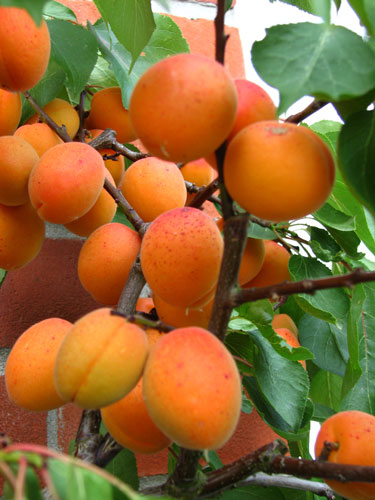
Unless you have a Greenhouse with expanding sides lets face it space is always at a premium. So what better way to utilize that area than with the value of luscious fruits? This guide details not only those varieties that are better suited to crop protection growing in less favourable climates but also the ways in which earlier crops can be achieved from subjects you might not have thought of.
Top Tips
Heating over winter is not necessary or welcomed except under extreme cold to provide some frost protection. These are all temperate subjects, and appreciate a definite dormant period. Protection from the most severe frost is all that is necessary and should happen naturally. Frequently we here of gardeners giving heat in the winter which prevents this and encourages early, soft green growth. Many subjects also only ‘ripen’ wood for flower production after a dormant period. Some mild heating may be welcomed during Spring and will be mentioned accordingly subject by subject.
Variety Selection is important
Do follow our recommendations as some varieties are better, have more value, or are more suited to protected cropping.
Growing in pots and containers
Compost is important and we always advise a loam based soil such as John innes no 3. This has more structure and heart than multi purpose or coir composts and this is important as it makes the task of watering during the Summer when temperatures heat up much less arduous.
Pollination
A very important part of the fruit production process, it must be remembered that insects, natures’ natural pollinators, will be scarce to non-existent in a greenhouse or conservatory and those that are present may not act naturally in a captive environment. Going over the flowers with a soft haired brush will do their job for them by transferring pollen from one to another ensuring good crops.
Peach and Nectarine
Possibly the number one most valuable fruit to include. Not so much because of hardiness issues – the tougher varieties can do well outside even free standing and against a sunny wall particularly good crops can be achieved. The main reason for inclusion is peach leaf curl which will be much less troublesome grown under cover. There is presently no treatment for the disease which is widespread across the country. The reason it is much less unsightly in a greenhouse or conservatory is because the spores are spread by moisture so where the emerging leaves are protected and mostly dry [take care to water at the base of the tree only] the spores don’t take hold.
That said the fruits achieved from greenhouse grown peach and nectarine [cultural practices by the way are identical for both] achieve even greater succulence and flavour!
Variety-wise, Amsden June, Red Haven and Duke of York are particularly good undercover [although these still do well outside too] as is the greenhouse-specialist variety Charles Ingouf which has white fleshed fruits. Or have a look at the naturally dwarfing Garden Lady and Nectarella.
Peach and Nectarine can be contained in relatively modestly sized containers of 25 litre capacity or if you have a gable end of not less than 2m width and a soil bed then a tree can be comfortably fan trained along wires.
Apricots
Probably the least hardy of all the fruit trees, again they can – and do – do well outdoors but for extra reliability growing in a greenhouse or conservatory works wonders. These trees flower earlier than any other fruit so can be hit by late frosts if grown outside. They are normally quite vigorous so grow the varieties Alfred or Moorpark as fan trained at the gable end as for Peaches above. If you’d like to grow a free standing container grown apricot tree then choose ‘Isabelle’ which is naturally compact and won’t push the roof off.
Kiwi – Chinese Gooseberry Vines
These are rather attractive climbing vines with big heart shaped bristly-velvety leaves and red leaf petioles. They enjoy the confines of a greenhouse and whilst vigorous and quick growing can be trained how you want them to go.
Traditional varieties require a pollinating pair, male and female, for which Hayward and Atlas always go well together. But there is now a self pollinating variety called Jenny which is useful if space is at a premium and you only want one vine.
Strawberries
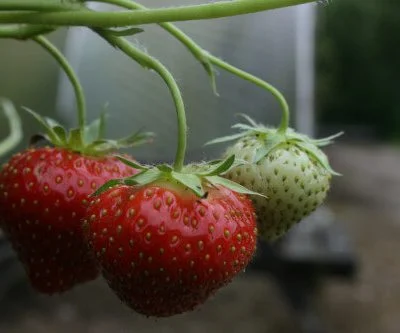
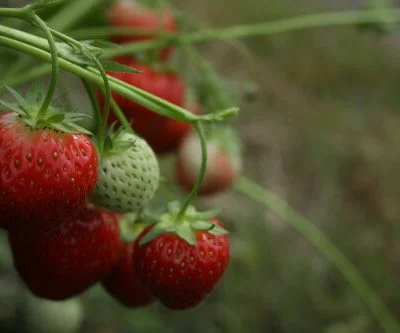
The main benefit of growing strawberries in a greenhouse is the extended cropping potential. By choosing early varieties potted and brought indoors late February/early March and provided with gentle heat, the ripening period is brought forward by several weeks, fresh strawberries for Easter is a very practical possibility. The varieties Cambridge Vigour [which despite the name is quite a tidy compact plant] Honeyoye and Christine are all ideal. At the other end of the season perpetual and Autumn fruiting varieties like Ostara, Malling Opal and Calpyso can have the fruiting period extended way beyond the norm, which is generally cut off by late frosts. It is entirely possible to have them fruiting right up to Christmas.
Plant your strawberries in growbags or singly in 6” pots. It is best to crop them in this way for only the one season, thereafter plant them outdoors.
Figs
These are great candidates for a greenhouse and with their large lobed leaves are as handsome as many indoor foliage plants. They are pretty tough characters outdoors despite their exotic appearance but the fruits will be larger and juicier and later fruits will continue to develop and ripen with the benefit of the late Autumn sun magnified by the glass, whereas outdoors these later fruits often tend not to mature.
Figs bear their fruits directly from the stem so there are no pollination requirements. These can grow vigorously, especially in a greenhouse but fruit better if contained in a decent sized pot. Longer growths can be trimmed back over-winter. Pruning during the active growing season is to be avoided. All varieties are equally suited.
Grape Vines
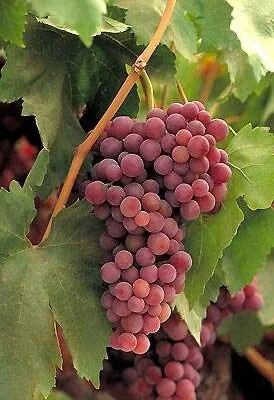
Once upon a time any self respecting greenhouse had to have a grape vine! Often only the one because one vine is quite capable of taking over the entire house! However unless this is your wish it isn’t really necessary as they take readily to pruning and can even be kept shrubby and still provide worthwhile crops.
It is often recommended as best to plant the roots outside and train the top in but they do well enough in containers anyway.
The seedless varieties really do better indoors than out so are to be recommended if you must have a seedless variety. The best flavoured seeded varieties can produce gloriously flavoured fruits when grown indoors and the true greenhouse varieties like Black Hamburgh, Buckland Sweetwater, Alicante and Precoce de Malingre are so well worth growing. Ensure the area is well ventilated to avoid mildew.
Cherries
Last but not least …. did you know that commercially most cherries are grown under cover? This is because yields are more reliable and the fruit quality much better. Being the most commercially valuable of all summer fruits it makes sense to growers to afford what is often a quite expensive and high-tech growing environment. Happily a normal garden greenhouse and a little care can achieve just the same results as enjoyed by the big growers. Cherry crops are more troubled by poor weather than any other generally grown top fruit although the trees themselves are hardy enough but developing fruits can be harmed by hail stones, strong winds, drought – and not least birds. By providing protection and a consistent environment and watering schedule during the key fruit-set and development period wonderful crops can be achieved.
Grow as a fan in the greenhouse border gable end, affording not less than 2 m span for one tree or grow in containers. For the latter be sure to choose ‘Gisele’ stock which is dwarfing and happy in a container. Varieties to select include Sweetheart, Black Heart, Kordia and Stella.